Do you have a raccoon in the attic, squirrels in the roof or a skunk under the deck? Before you trap or remove any animal, you should know what Ontario law allows. This guide explains the main rules in simple words. It also links to the official government pages, so you can check them yourself.
Quick answer: In Ontario, you (or a wildlife company you hire) can catch most wild animals that are damaging your home. But you must let the animal go within 24 hours and within 1 km of where you caught it. Bats, some birds and other protected animals have extra rules.
The Main Rules for Nuisance Wildlife in Ontario
The main law is Ontario’s Fish and Wildlife Conservation Act, 1997. According to the Government of Ontario:
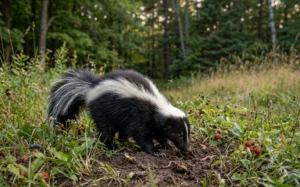
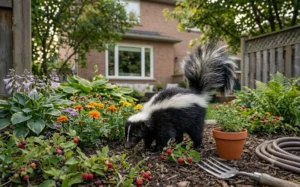
- You usually don’t need a permit. If an animal is damaging your home, or is about to, you can scare it away or catch it on your property. Some animals have special rules.
- Let it go within 24 hours and 1 km. If you catch an animal alive, you must release it within 24 hours, no more than 1 kilometre from where you caught it.
- Ask first. You need the owner’s permission to release an animal on someone else’s land.
- Dens: you need government approval to destroy a raccoon den or the den of other fur-bearing animals. Fox and skunk dens are the exception.
- Be humane. Don’t hurt the animal, and don’t catch more animals than you need to.
These rules don’t apply to deer, elk, moose or caribou. Bears, wolves, coyotes and protected animals have extra rules. The City of Toronto also says you should only trap an animal after other ways to scare it off have failed. Guns can’t be fired in the city.
Trapping alone rarely fixes the problem. If the hole stays open, another animal will move in. That’s why finding and sealing the entry point is the main part of our wildlife removal Toronto service.
Who Can Remove Wildlife for You?
You can ask someone else – called a wildlife agent – to remove the animal for you. Under Ontario’s rules, this person must be one of the following:
- A wildlife removal company (they can catch and release, but not kill)
- Someone with a valid trapping licence
- A city worker who handles wildlife
- A close family member of the owner
- Someone approved by the Ontario government
When you hire Acme, we act as your wildlife agent. That’s why we use one-way doors and humane live traps, and we release animals close to where we found them.
Animal-by-Animal Guide
| Animal | Main law | What it means for you |
|---|---|---|
| Raccoons, squirrels, skunks, opossums, chipmunks | Fish and Wildlife Conservation Act | Can be removed if they cause damage. Release within 24 hours and 1 km. |
| Bats | Species Conservation Act, 2025 | Seven bat species are endangered. Extra rules apply. |
| Birds and pigeons | Migratory Birds Convention Act for listed species | Depends on the bird. Nests with eggs or babies are protected. |
| Snakes | Depends on the species | Have a professional identify and remove it. |
| Mice, wasps and other pests | Pesticides Act (if pesticides are used) | Anyone paid to spray pesticides needs a licence. |
Bats: Extra Protection
Ontario’s species at risk list says seven kinds of bats are endangered: Little Brown Myotis, Northern Myotis, Tri-colored Bat, Eastern Small-footed Myotis, Eastern Red Bat, Hoary Bat and Silver-haired Bat. Since March 30, 2026, they are protected by the Species Conservation Act, 2025. This law replaced the old Endangered Species Act. Some of these bats are also protected by federal law.
- Never trap or kill bats, and never seal them inside a building.
- Find out which bat it is and check the rules before you try to get it out.
- The Government of Canada suggests waiting, if you can, until the baby season is over and the bats leave on their own.
- If a bat was in your living area or may have touched someone, call a doctor or public health right away about rabies. Don’t touch it with bare hands.
Our bat removal service starts by finding out which bat it is and picking the right time before we put up any one-way doors.
Birds and Nests
Different birds are protected by different laws. A federal law, the Migratory Birds Convention Act, protects birds like ducks, geese and woodpeckers. Some birds, such as hawks, owls, crows, jays, starlings and pigeons, are not covered by that law, but Ontario law may still protect some of them.
Under the Migratory Birds Regulations, 2022, you can’t move or damage a nest while it has a live bird or egg in it. Some birds, like the Pileated Woodpecker, have longer protection. Not sure which bird it is? Our bird removal team checks the bird before anything is moved.
Snakes
Most snakes around Toronto homes are harmless and even help control mice. The rules depend on the type of snake, so don’t kill, touch or move a snake or its eggs until you know what it is. If a snake is inside your home, keep kids and pets away and call us for safe removal.
What Is Not Allowed
- Poison and glue traps: Ontario law generally does not allow poison or glue to catch or kill wildlife.
- Taking animals far away: you must release them within 1 km and 24 hours.
- Guns: you can’t fire a gun in Toronto.
- Harming protected animals: bats and other protected species have extra protection by law.
At Acme, we never use poison or glue traps on wildlife.
Baby Animals
In spring and summer, raccoons, squirrels and skunks often have babies in attics, chimneys and under decks. If only the mother is removed, the babies can get trapped inside. A good removal always checks for babies first, keeps the mother and babies together, and seals the holes only after every animal is out. Read more in our guide on raccoons in attics.
Found a baby animal on its own? Don’t feed it or give it water. The City of Toronto suggests giving the mother a chance to come back, and calling Toronto Wildlife Centre or 311 for help.
Wasps and Pesticides
If someone sprays pesticides at your home, for example for a wasp nest, Ontario’s Pesticides Act applies. The Government of Ontario says the worker needs a pesticide exterminator licence and the company needs a pesticide operator licence. You can always ask a company to show its licence. Our wasp removal treatments follow these rules.
How We Work Within These Rules
- Inspection: we find the animal, any babies and every way in.
- Humane removal: we use one-way doors or live traps. Never poison or glue traps.
- Safe release: animals are let go within 1 km and 24 hours.
- Clean-up: we remove droppings and nests and clean the area.
- Sealing: we close every hole, but only after all animals are out.
Have an animal in your home? Call (647) 453-7378 for 24/7 help, or book a free inspection with Acme Wildlife Removal And Pest Control Toronto.
Frequently Asked Questions
Can I trap a raccoon myself in Ontario?
Yes, if it is damaging your home or is about to. Treat it humanely and release it within 24 hours and 1 km. Then seal the hole, or another animal will move in.
Can I relocate a raccoon or squirrel to a park or the countryside?
No. You must release it within 1 km and 24 hours. To release it on someone else’s land, you need their permission.
Are bats protected in Ontario?
Yes. Seven kinds of bats in Ontario are endangered. Check which bat it is and the rules before removing it, and never trap bats or seal them inside.
Can I remove a bird nest from my house?
It depends on the bird. Most nests can’t be touched while they have eggs or babies in them, and some birds have longer protection. Find out which bird it is first.
Does a wildlife removal company need a licence in Ontario?
There is no single wildlife removal licence. A wildlife company can catch and release animals for you. Companies that spray pesticides need a licence from the Ontario government. Always ask about insurance and licences.
Who do I call about a sick or injured wild animal in Toronto?
Call 311 for Toronto Animal Services, or call Toronto Wildlife Centre.
Official Sources
- Government of Ontario: Harass, capture or kill a wild animal damaging private property
- Fish and Wildlife Conservation Act, 1997 (Ontario e-Laws)
- City of Toronto: Wildlife trapping
- City of Toronto: Orphaned and injured wildlife
- Government of Ontario: Species at risk in Ontario
- Environmental Registry of Ontario: Species Conservation Act, 2025
- Government of Canada: Migratory Birds Convention Act
- Government of Canada: Nest protection under the Migratory Birds Regulations, 2022
- Government of Canada: Bats in buildings
- Government of Ontario: Pesticide licences and permits
This article is general information, not legal advice. Rules can change and depend on the animal and the situation. Check the government links above for your case.